
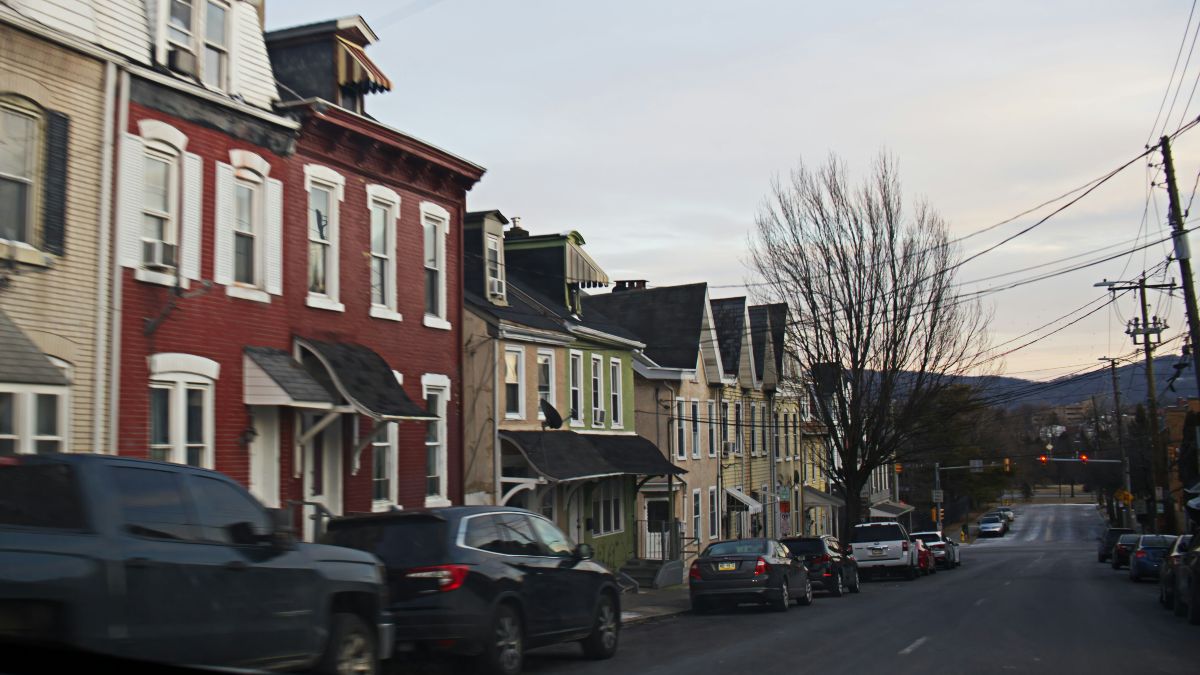
Across Southwestern Pennsylvania, households are navigating rising costs for housing, utilities, food, transportation, child care, and other necessities. These pressures do more than strain monthly budgets. They shape where people can afford to live, how they reach work and essential services, whether they can remain in their homes, and whether they can benefit from investments intended to create healthier and more sustainable communities.
For many households, there is little room to absorb another expense. According to United Way of Southwestern Pennsylvania’s ALICE metric, 38% of households in the region do not earn enough to cover basic needs. ALICE, which stands for Asset Limited, Income Constrained, Employed, considers the combined costs of housing, food, transportation, health care, child care, technology, and other essentials. When these expenses rise together, a high utility bill, unexpected repair, or car problem can affect a household’s ability to afford everything else.
From a regional perspective, affordability intersects with multiple dimensions of sustainability as we view it at Sustainable Pittsburgh. Economically, household costs affect workforce participation, housing stability, and the ability of communities to attract and retain residents. Socially, they influence access to safe housing, healthy food, transportation, and opportunity. Environmentally, they can prevent households from making improvements that reduce energy and water use, lower emissions, and provide long-term savings. Together, these factors create a broader systems challenge that requires coordinated solutions.
Housing conditions illustrate this connection especially clearly. The Pennsylvania Department of Community and Economic Development’s Housing Action Plan reports that more than one million households spend over 30% of their income on housing and that more than half of the commonwealth’s housing stock is over 50 years old. In older homes, leaking roofs, outdated electrical systems, moisture, structural problems, and other hazards can increase operating costs and prevent weatherization or clean-energy improvements. The Keystone Energy Efficiency Alliance reports that approximately one-third of low-income households are deferred from energy-efficiency programs because of structural, health, or safety issues.
The same pressures extend beyond the home itself. Housing location often determines whether residents can reach jobs, schools, medical care, and grocery stores without relying on a car. The U.S. Department of Housing and Urban Development’s Location Affordability Index reflects this relationship by measuring housing and transportation costs together. When affordable housing is located far from essential destinations, transportation expenses can offset lower rent or mortgage payments and leave less income available for food, utilities, repairs, and other needs. These outcomes are shaped largely by prices, geography, infrastructure, housing availability, and upfront costs.
At the federal level, the newly enacted 21st Century ROAD to Housing Act creates an opportunity to address some of these overlapping challenges. Section 202 establishes a Whole-Home Repairs pilot covering health and safety repairs, accessibility modifications, energy and water efficiency, resilience, and weatherization. It also provides a framework for assisting qualifying homeowners and small landlords, supporting workforce development, and coordinating federal, state, and local home-repair programs.
The law establishes the pilot’s structure but provides no new dedicated funding, leaving implementation dependent on future federal appropriations and action by the U.S. Department of Housing and Urban Development. In each year awards are made, HUD may select only two to ten implementing organizations nationwide, with no more than one in any state. Pennsylvania has a meaningful foundation in its existing Whole-Home Repairs Program, which received an initial, one-time investment of $125 million in 2022. However, demand substantially exceeded available resources, and many counties quickly exhausted their original allocations. Continued progress will require renewed funding and stronger alignment among weatherization, utility, housing, and local repair programs.
Affordability should not be treated merely as a secondary benefit of sustainability. Building a more effective system will require coordinated funding, simpler intake and eligibility processes, sufficient contractor capacity, consumer protections, and collaboration among governments, utilities, nonprofits, and workforce partners. By connecting housing preservation, energy affordability, access to essential needs, and regional resilience, Southwestern Pennsylvania can pursue a holistic sustainability strategy that lowers costs and strengthens communities.