
Sustainability, affordability, reliability, and resilience are all central to the energy conversation today. The rise of AI and data centers is contributing to significant new electricity demand, while geopolitical uncertainty and supply chain constraints continue to complicate how energy infrastructure is planned, built, and operated.
These challenges, and the tradeoffs that come with them, were at the center of the latest CEOs for Sustainability event, hosted in partnership with Duquesne University.
Attendees heard from energy experts about the current state of the energy system and what changing demand, technology, and infrastructure needs could mean for Southwestern Pennsylvania, its businesses, and the broader economy.
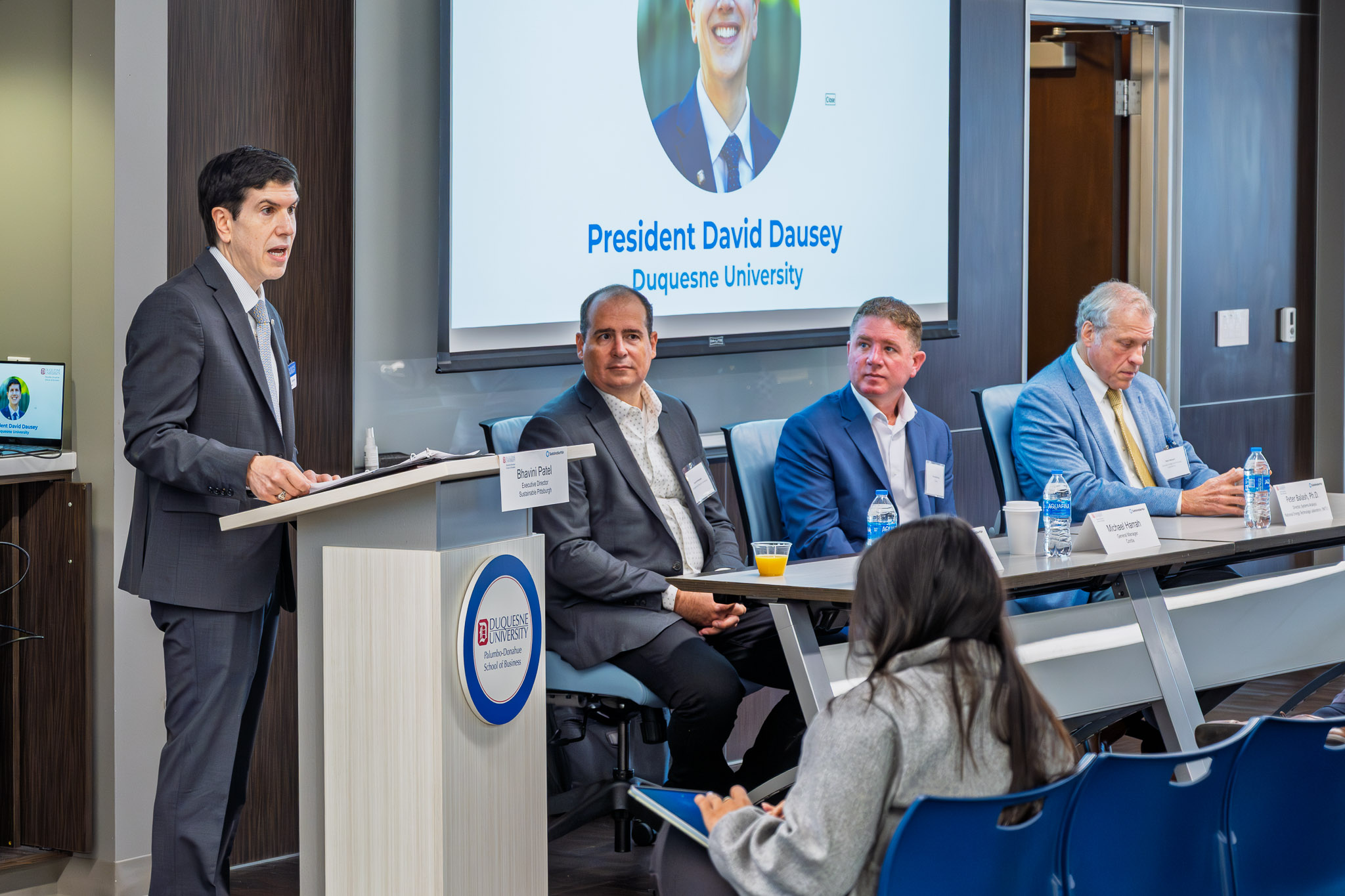
Laurent Houssay of Westinghouse Electric, Peter Balash, Ph.D., of the National Energy Technology Laboratory, and Michael Harrah of Cordia took the stage for a wide-ranging discussion touching on energy infrastructure, nuclear power, low-carbon energy options, grid resilience, and forecasts for future electricity demand.
Throughout the conversation, panelists returned to the realities of the moment. Energy demand is growing at the same time that much of the country’s infrastructure is aging. New technologies offer opportunities, but they also take time and investment to deploy. Meeting future needs will require navigating difficult questions around reliability, affordability, sustainability, and how quickly new infrastructure can come online.
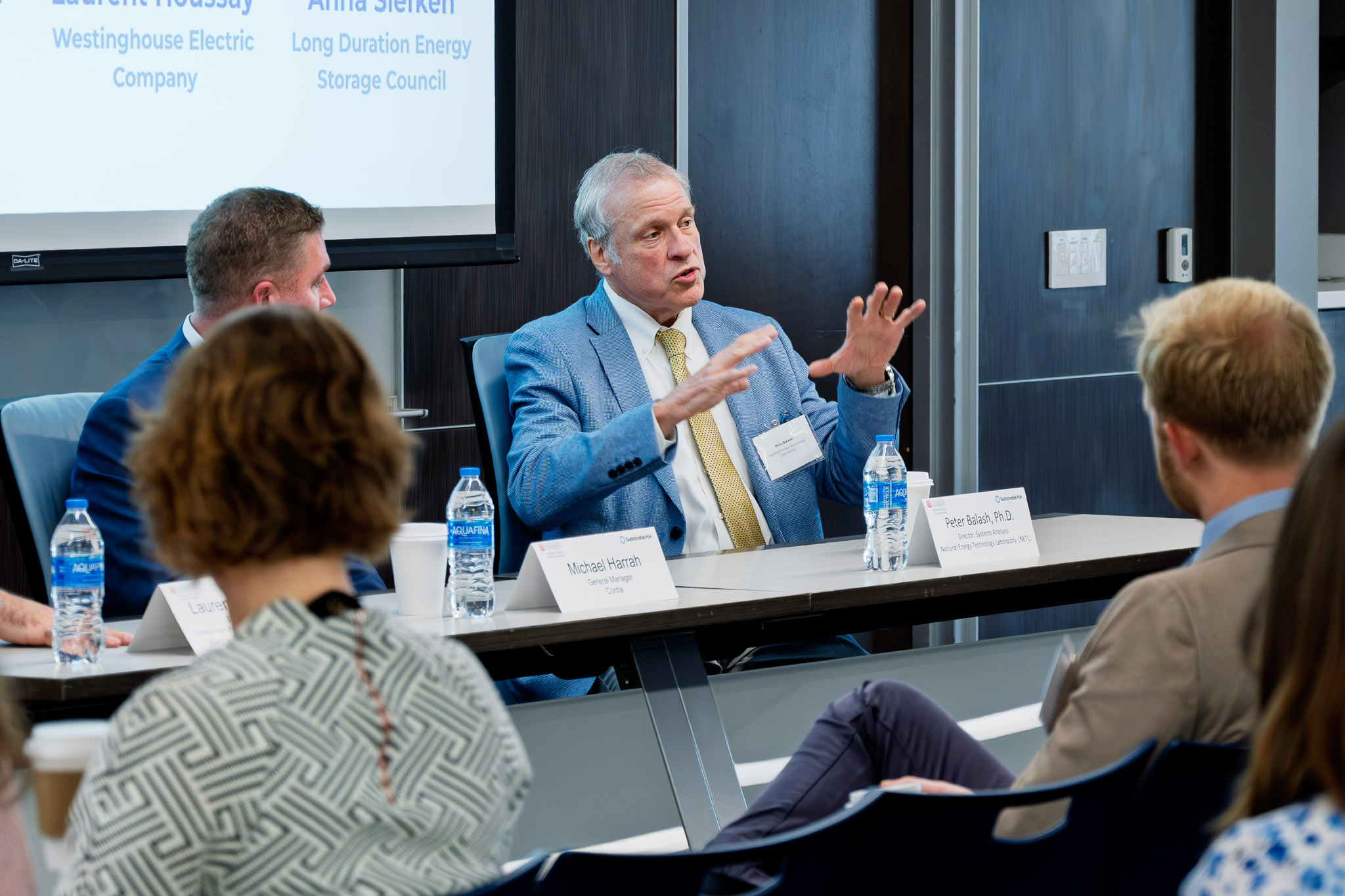
The conversation also underscored that there is unlikely to be a single solution. Building a more resilient energy system will require looking across generation, storage, transmission, efficiency, and existing infrastructure, while considering both immediate needs and long-term environmental impacts.
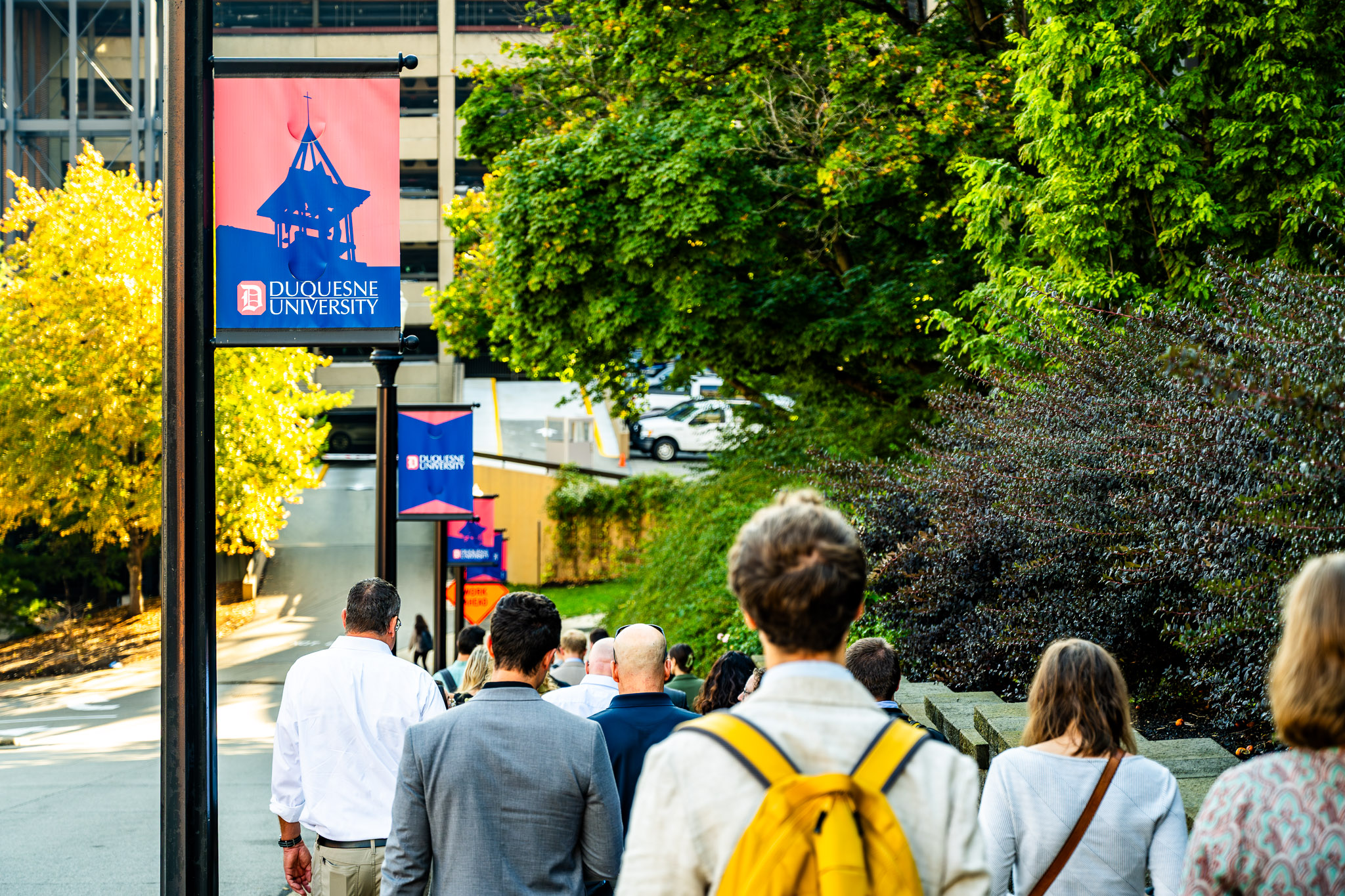
Following the panel, attendees walked across campus for an inside look at Duquesne’s cogeneration plant, operated by Cordia.
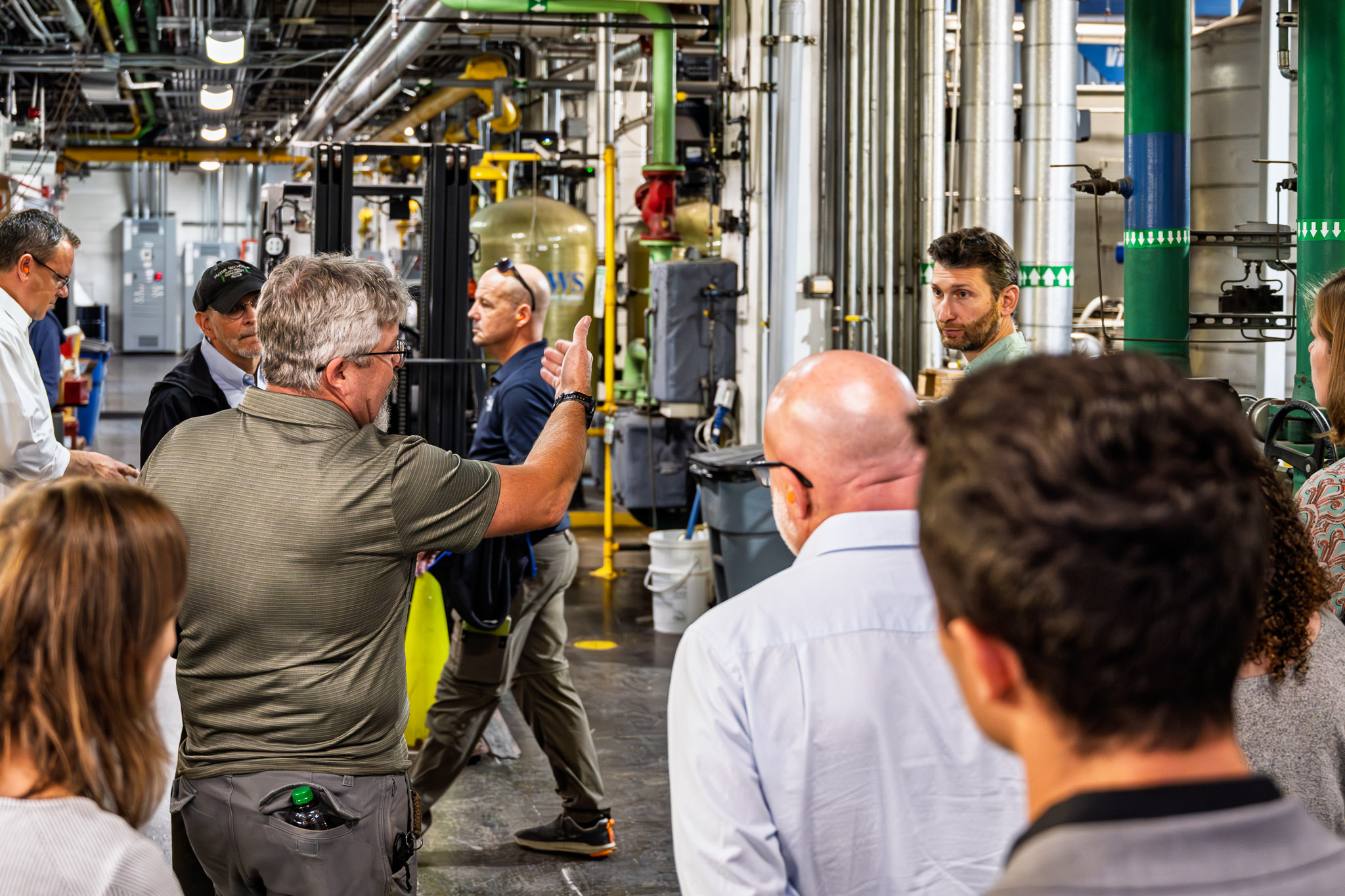
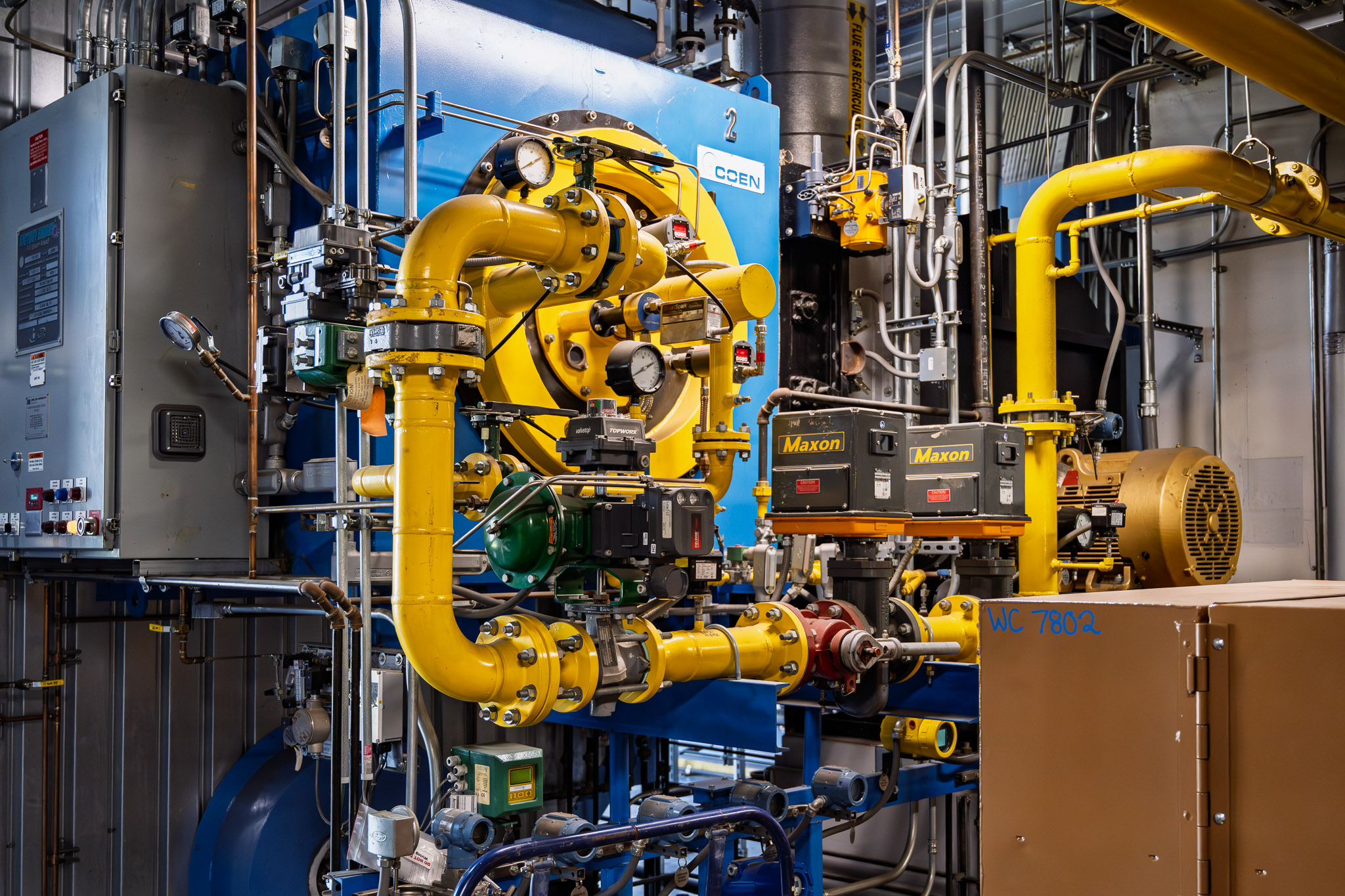
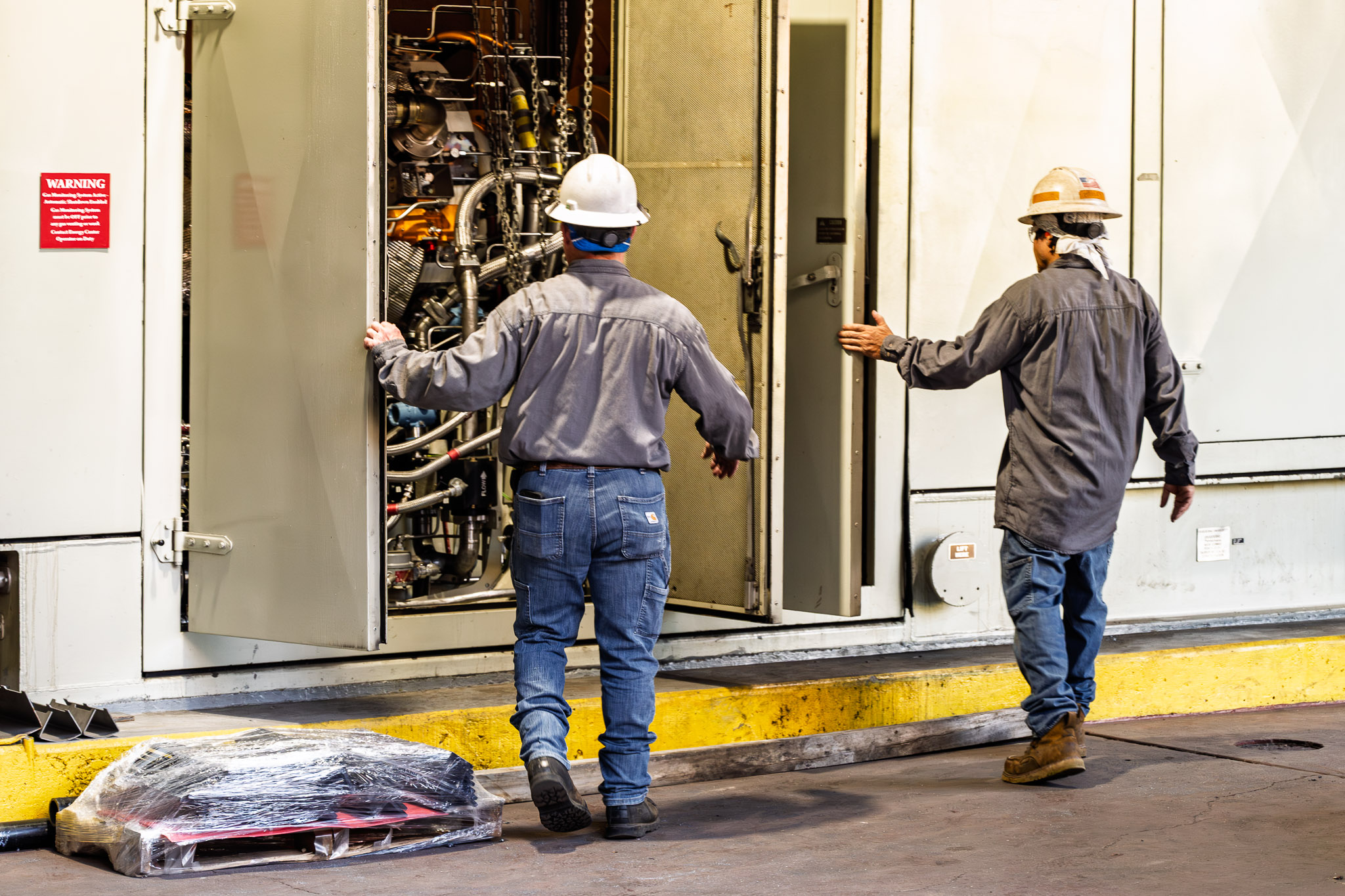
The tour brought many of the morning’s themes to life. The plant provides steam, chilled water, compressed air, and the majority of Duquesne’s electricity, while also connecting into Cordia’s broader district energy network in Pittsburgh. Cogeneration allows energy that might otherwise be lost as waste heat to be put to productive use, improving the overall efficiency of the system.
Seeing the chillers, boilers, turbines, distribution infrastructure, and operators firsthand also reinforced just how much coordination goes into keeping an energy system running reliably. The infrastructure itself is complex, but so are the relationships among energy producers, operators, institutions, utilities, and customers that allow those systems to function.
As energy needs continue to change, these conversations will remain an important part of Sustainable Pittsburgh’s work. We look forward to continuing them through future events and programs, including our upcoming Summit on November 18, which will bring together regional leaders for panels, presentations, and peer discussions focused on navigating global shifts and local realities through collaboration and practical problem-solving.