

Artificial intelligence is rapidly changing how organizations operate, compete, and plan for the future. But behind every AI tool is a physical system of data centers, power infrastructure, cooling technologies, hardware, and networks.
That connection between digital growth and physical infrastructure was at the center of Sustainable Pittsburgh’s recent CEOs for Sustainability convening, Powering AI: Infrastructure, Innovation, and Regional Readiness.
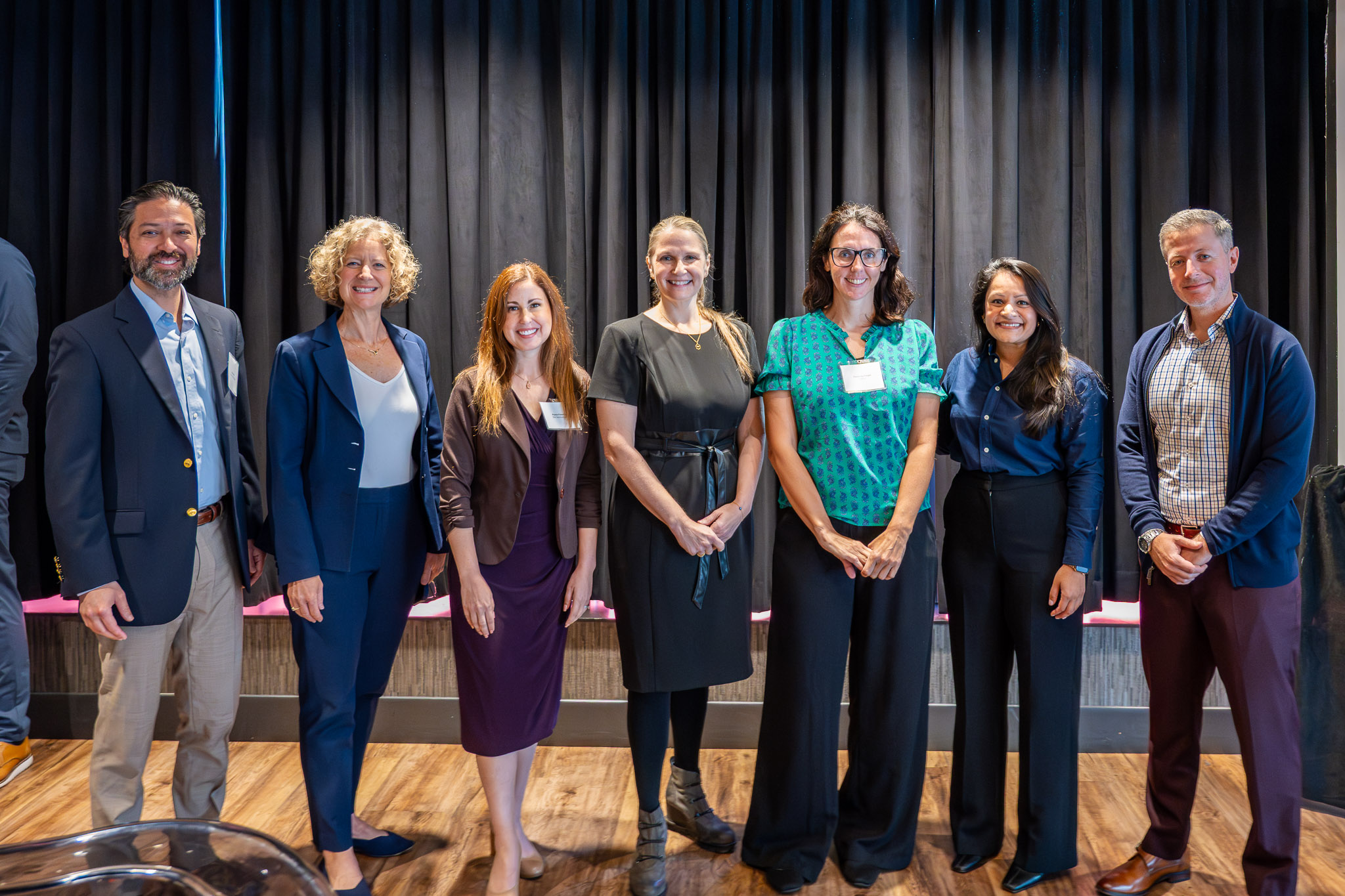
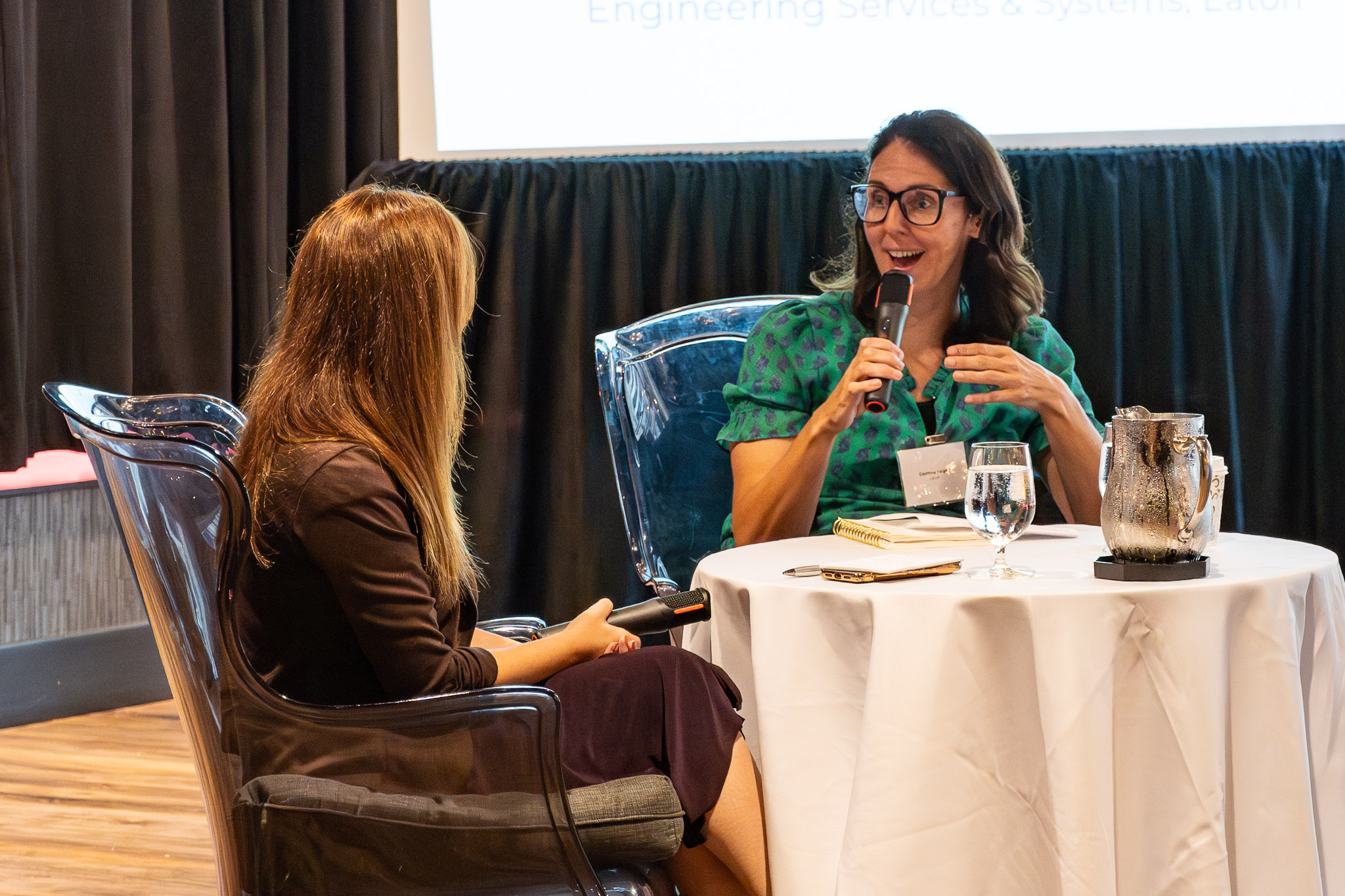
The program featured a fireside chat with Alyson Freeman of Dell Technologies, moderated by Courtney Forget of Eaton, followed by a regional response from the University of Pittsburgh’s Justin Kitzes of the Hub for AI Data Science and Leadership (HAIL) and Melissa Bilec of the Mascaro Center for Sustainable Innovation.
Understanding the infrastructure behind AI
The fireside conversation began with a simple question: What is a data center, really?
Most people interact with AI and cloud-based services without seeing the physical infrastructure behind them. The speakers discussed how exploding demand for AI is increasing the importance of the electricity, cooling, computing hardware, and grid infrastructure needed to support data centers.
The conversation also highlighted the potential scale of future electricity demand. Rather than focusing on any single projection, the speakers emphasized that proposed data center development could represent a significant new source of demand for utilities and regional energy systems.
That growth raises important questions about how new demand can be accommodated while maintaining reliability, affordability, and sustainability.
Sustainability is increasingly about the choices organizations make
A central theme of the conversation was that many of the technologies needed to improve data center efficiency already exist.
Dell, for example, highlights energy-efficient infrastructure, advanced cooling, telemetry, recycling services, and circular-economy approaches as tools for reducing the cost and environmental impact of data center operations.
During the discussion, Freeman and Forget pointed to strategies ranging from appropriate cooling and power management to workload optimization, equipment reuse, and better end-of-life practices.
The harder questions often involve how quickly these solutions are deployed, what energy resources are available, and how companies balance immediate growth with longer-term sustainability goals.
The speakers also discussed the use of interim or “bridge” strategies as electricity demand rises. Looking ahead, they described a future in which data centers could potentially interact with the grid more dynamically and contribute to resilience rather than functioning only as large sources of demand.
Responsibility, transparency, and trust
The conversation also examined what it means to be a responsible corporate citizen as AI infrastructure expands.
The speakers emphasized the need for companies to consider the effects of new facilities on utilities, public infrastructure, local stakeholders, and the places where data centers are built. Transparency and meaningful engagement were recurring themes.

Those issues are particularly timely in Pennsylvania. In August, Governor Josh Shapiro signed an executive order requiring proposed data centers seeking state permits to comply with the Governor’s Responsible Infrastructure Development, or GRID, requirements. Those requirements address energy affordability, community engagement, workforce and economic development, transparency, and environmental protection. They also require reporting on measures including energy and water use.
The discussion also looked abroad for examples of how governments and companies are approaching transparency and efficiency.
In the European Union, qualifying data center operators are already required to report sustainability information and performance indicators annually. EU rules for servers and data storage products also include energy-efficiency and circular-economy requirements, including provisions related to component reuse and secure data deletion.
Germany has gone further in some areas. Its Energy Efficiency Act establishes efficiency requirements for data centers and minimum targets for reused energy for newer facilities. The law also requires data center operators to report information including electricity use, renewable-energy share, waste heat, cooling efficiency, and water-use efficiency.
These examples reinforced a point made throughout the chat: credible standards and greater transparency can help organizations communicate their performance, but building public trust requires more than simply publishing a rating or metric.
Looking beyond electricity use
Another takeaway was that data center sustainability cannot be reduced to electricity consumption alone.
The speakers encouraged attendees to consider the lifecycle of the infrastructure itself, including the materials used in hardware, recycled content, equipment lifespan, cooling systems, and end-of-life reuse.
They also distinguished between hardware sustainability and the efficiency of how software and computing resources are used.
That means businesses adopting AI have a role as well. Responsible use includes asking whether the scale of computing being used is appropriate for the task, what infrastructure supports it, and whether more efficient alternatives are available.
The speakers were also careful not to place the burden solely on individual users. Individual choices can matter, but many of the largest challenges around energy supply, infrastructure, standards, and transparency require systemic solutions.
Bringing the conversation back to Pittsburgh

The regional response from HAIL and the Mascaro Center shifted the discussion from data center operations to what responsible AI growth means for Southwestern Pennsylvania.
One important point was that infrastructure decisions have long lives. Facilities and systems being built today may remain in place for decades, making early decisions around responsibility and transparency especially consequential.
Kitzes and Bilec framed responsibility around several related principles: understanding both direct and indirect impacts, weighing costs against benefits across time and geography, and working to ensure that the people and places bearing costs also share in the benefits created.
Building AI literacy and regional capacity
The regional conversation also emphasized AI literacy and fluency.
As organizations adopt AI, leaders and employees need more than familiarity with new tools. They also need the critical-thinking skills to understand when AI is useful, what tradeoffs accompany its use, and what questions should be asked before deploying it.
The conversation also touched on student concerns about how AI will affect future careers, reinforcing the importance of preparing people to work with these technologies thoughtfully and effectively.
Looking at the region more broadly, the presenters highlighted opportunities to invest in local infrastructure, explore smaller or more fit-for-purpose AI models, and build stronger partnerships between businesses and local universities.
Southwestern Pennsylvania already has significant assets to draw from, including universities, technical expertise, sustainability frameworks, energy knowledge, and an established innovation ecosystem.
The challenge is connecting those assets and making deliberate choices before new infrastructure and operating models become difficult to change.
Looking ahead
The event underscored how deeply AI is connected to energy, infrastructure, workforce readiness, and regional competitiveness.
For businesses, that means asking better questions about how AI is used and what infrastructure supports it. For technology and infrastructure providers, it means continuing to improve efficiency, transparency, and accountability. And for the region, it means planning early enough to capture economic opportunity while strengthening resilience and sustainability.
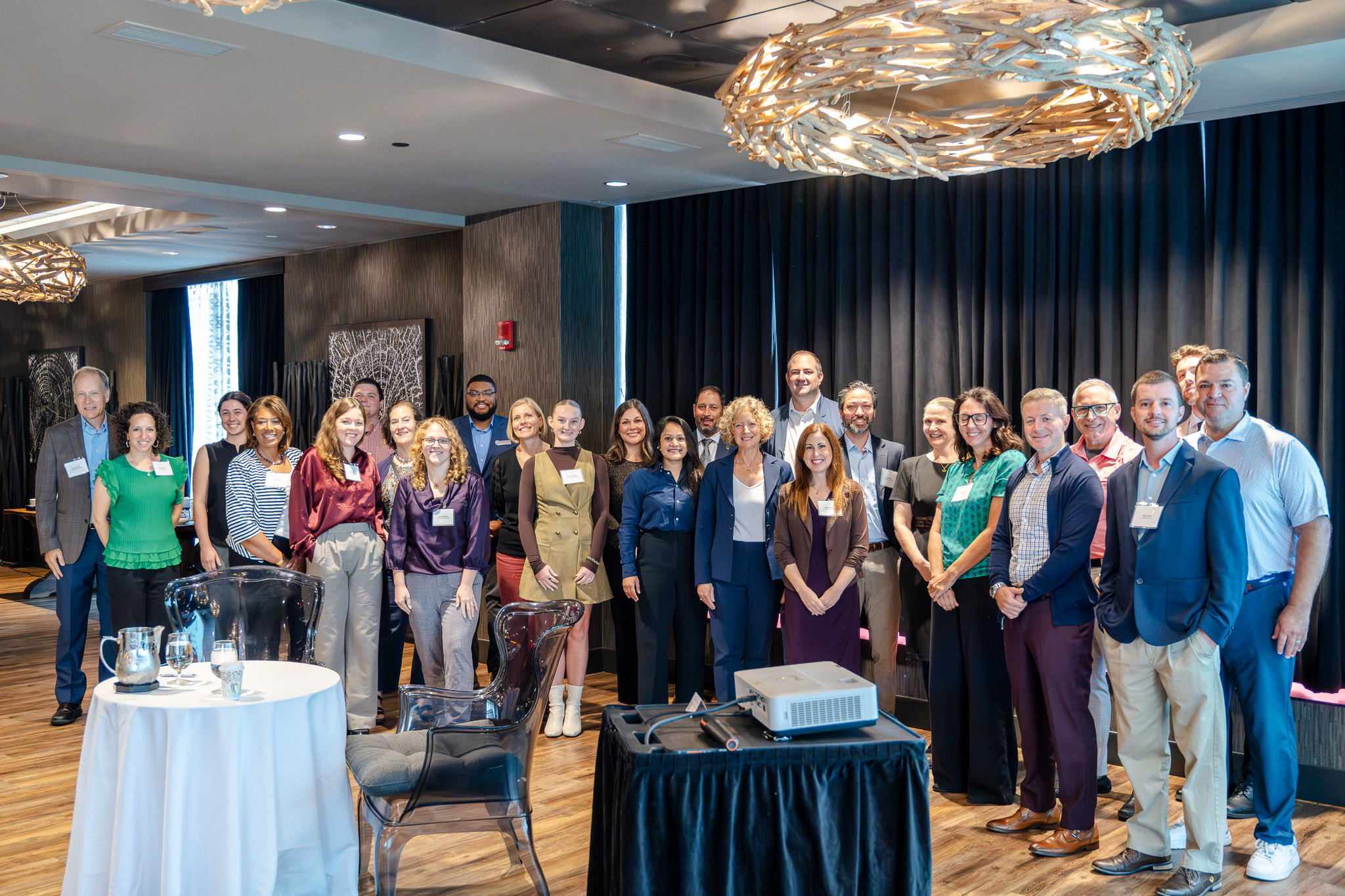
That is where Sustainable Pittsburgh sees an important role for its work: bringing leaders across sectors together, creating space to work through emerging challenges, and helping Southwestern Pennsylvania prepare for what comes next.